Relaciones familiares fuera de lo común
Todos parecemos estar de acuerdo en que, para considerarse una familia y tener sentimientos de parentesco entre las personas, no siempre es necesaria la relación consanguínea: en este caso, los sentimientos de pertenencia y cercanía nos hacen considerarnos los unos a los otros como personas cercanas, desarrollando los mismos lazos afectivos que con nuestros parientes de sangre.

Pero, ah, ¿qué pasa cuando la situación es al revés? El tener sentimientos amorosos hacia un familiar cercano, ya sea por matrimonio o con consanguinidad, ya no está tan bien visto ni tan aceptado como lo anterior. Sí, amigos, me refiero al incesto, esas relaciones entre parientes que en algunos lugares del mundo es incluso un delito, y que a muchos de nosotros nos suena familiar gracias a los videos porno. Porque pocas webs para adultos habrá en la que la categoría «incestos» o «sexo familiar» no sea una de las más visitadas, y que más morbo creen entre sus visitantes. Y es que todo lo que tenga un cierto tufillo a prohibido es precisamente lo que más atracción acaba por generar.
Sí, como digo, la gran mayoría conoce esto del incesto gracias al porno online, y pensamos que en realidad eso ya no ocurre, que todo es cosa del pasado, por mucha expectación que pueda suponer. Pero ah, resulta que estamos equivocados, pues las relaciones incestuosas se siguen dando en la actualidad, más frecuentemente de lo que creemos, y seguramente en gente que ni te esperas. Y es que tengo dos datos para probar esto: lo primero, el que esté penado en ciertos países o estados del mundo, lo que significa que las autoridades están al tanto de esto; y la segundo, la cantidad de famosos que cometieron incesto, bien conocidos por todos y que sin ningún pudor lo hicieron público.
Más allá de conflictos éticos y de lo que puedan opinar unos y otros, el principal problema de las relaciones entre familiares, sobre todo a nivel íntimo y sexual, es la endogamia. La reproducción entre familiares consanguíneos puede tener bastante complicaciones, y si bien pueden no ser visibles o desarrollarse en primera generación, pueden arrastrarse genéticamente hasta algunas otras más tardías. Realmente, esto parece preocupar bastante a los estudiosos, que ya han podido comprobar en otras especies animales lo que podría suceder si se desarrollan problemas endogámicos; realmente, la evolución de la especie queda mermada, y en ocasiones incluso desaparece debido a la esterilidad.

Sin embargo, el concepto de incesto no siempre ha sido considerado como un mal mayor, ni siquiera mal visto por la sociedad del momento. De hecho, en la antigüedad estaba bastante extendido, y en la clase alta incluso se preferían esta clase de uniones entre familiares antes que de alguien externo. La realeza ha mantenido durante milenios su carácter superior gracias a la línea de sangre, con lo que reproducirse entre ellos era la manera más sencilla y fiable de salvaguardar la estirpe. El resultado de esta idea se pudo ver bien en la época moderna, cuando grandes casas reales europeas, que habían estado casándose entre ellos durante siglos y que llegaron a un momento en el que todos eran parientes en mayor o menor grado, experimentaron grandes problemas a causa de la endogamia, como las malformaciones, el retraso físico o mental, y la incapacidad para generar vástagos sanos, dándose incluso la esterilidad total.
Así que, como puedes ver, hay muchas formas de convertirse en una familia más allá del compartir genética; sin embargo, cuando se comparte la misma sangre, hay ciertas normas morales, y otras sociales, que hay que seguir si uno no quiere sentirse rechazado.
La importancia de la unidad familiar
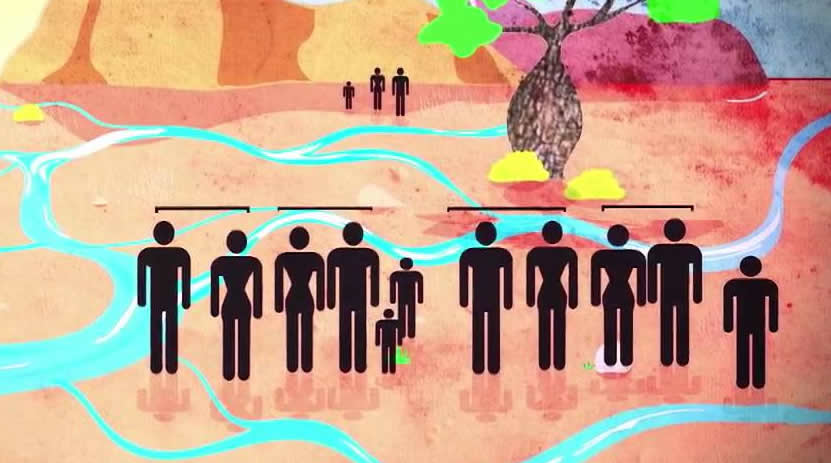
En el pasado, la estructura familiar era bastante estándar. Incluía a dos adultos casados que criaban a sus hijos. Sin embargo, esto ha cambiado drásticamente con el tiempo. Durante los últimos 50 años, este entorno básico se ha diversificado y creado un nuevo significado para la estructura familiar. Los diferentes tipos de familias que tenemos en la actualidad incluyen: familia nuclear, familia extendida, familia monoparental, familia de paso, familia sin hijos, familia del mismo sexo y familia de abuelos.
Aunque la familia nuclear es el entorno preferido con más apoyo emocional y financiero, los otros tipos de entornos familiares también son aceptables. Lo que se considera importante es la existencia de amor y respeto entre los miembros de esa familia. Mientras los hijos estén bien atendidos y sean felices, la sociedad considera que cada entorno es aceptable.
Un entorno familiar es importante ya que proporciona un sentido de pertenencia a las partes involucradas. Los hijos se benefician principalmente de esto, ya que se sienten amados y aceptados. Esto juega un papel importante en su desarrollo emocional, social y conductual. Los niños nacidos en una familia nuclear tienen más probabilidades de experimentar esto. Los cónyuges también pueden disfrutar de este lujo emocional que se basa en su estima y logro, por lo tanto, en la voluntad de mantener a la familia unida.
Todos, independientemente de la edad que tengan, necesitan un sistema de apoyo sólido en sus vidas. Esto crea un sentimiento de amor que moldea el carácter de una persona. La idea de tener una persona o personas consistentes en tu vida que te entiendan es reconfortante. Si bien es posible que deba fingir y mantener su verdadera naturaleza discreta en público, usted es libre de ser quien es con su familia. Puedes ser un jefe estricto en el trabajo, pero vuelve a tu verdadera naturaleza de persona amable cuando vuelvas a casa. Esto crea una sensación de liberación y en realidad es lo que crea un fuerte vínculo con los miembros de la familia.
Hay algunas ocasiones e instancias en la vida que requieren la presencia y el apoyo de los miembros de la familia. Esto incluye; funciones escolares, promociones laborales, cumpleaños, bodas, graduaciones. La presencia, disponibilidad y apoyo de la familia de uno aumenta su autoestima y confianza. Tienden a sentirse apreciados y amados. Esto es tan importante en adultos como en niños.
La estructura familiar es importante para las personas dentro de ella, independientemente de en qué consiste. Lo importante es el amor dentro de los miembros y su dedicación para ofrecer el apoyo emocional necesario entre ellos.
Posted by admin on octubre 10, 2019
Tipos de familia en la actualidad
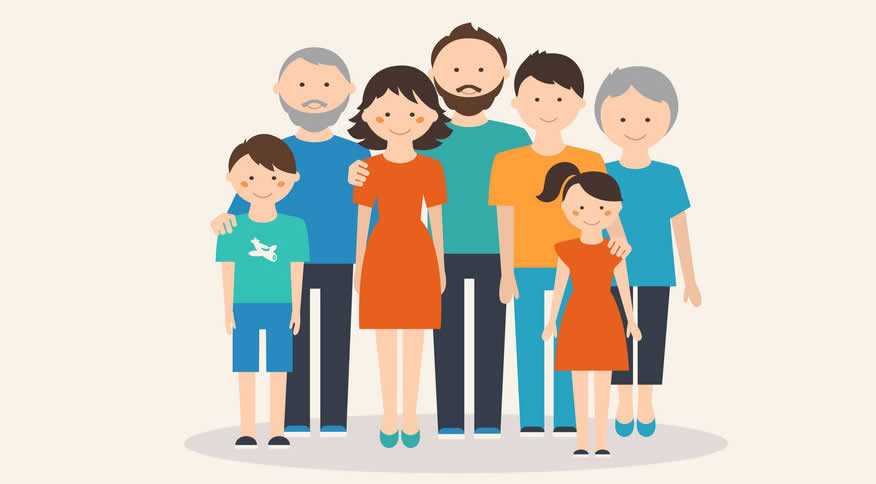
El concepto de familia varía en todo el mundo dependiendo de una variedad de factores, incluidas las prácticas de subsistencia y los comportamientos económicos. La familia define las obligaciones que los miembros del grupo tienen entre sí, tanto económica como socialmente. En general, los miembros de la familia viven juntos, pero ese no es siempre el caso.
En géneral, los núcleos familiares se reparten así en las diferentes partes del mundo, generando estos tipos de familia:
- Familia nuclear: Esto también se conoce como la familia conyugal o familia de procreación. Las familias nucleares están compuestas por parejas casadas y sus descendientes. Esto es común en las sociedades industriales, pero no es el tipo de familia más común en el mundo, aunque la práctica se está extendiendo a través del desarrollo moderno. Algunos antropólogos identifican un segundo tipo de familia nuclear, la familia no conyugal. En este tipo de familia nuclear, hay un padre con hijos dependientes. Además, existe la familia polígama, que se compone de múltiples cónyuges e hijos dependientes (siempre siendo el hombre el que tiene esposas múltiples, nunca se dio en ninguna sociedad el caso contrario).
- Familia extendida: La familia extendida es el tipo de familia más común en el mundo, e incluyen al menos tres generaciones: abuelos, hijos casados y nietos.
- Familia conjunta: Las familias conjuntas se componen de conjuntos de hermanos, sus cónyuges y sus hijos dependientes.
- Familia mixta: Las familias mixtas se están volviendo más comunes, especialmente en sociedades industriales como los Estados Unidos. Una familia mixta se forma cuando los padres divorciados o viudos que tienen hijos se casan.
- Familia por elección: Un tipo de familia relativamente nuevo, especialmente en países industrializados como los Estados Unidos, es la familia por elección; el término fue popularizado por la comunidad LGBTI para describir una familia no reconocida por el sistema legal. La familia por elección puede incluir hijos adoptados, parejas que viven en casa, parientes de cada miembro del hogar y amigos cercanos. Cada vez más, este tipo de familia es practicada por personas solteras y familias que se alejan de la familia consanguínea.
Conceptos clave sobre la organización familiar
Los seres humanos aprendimos desde nuestros más tempranos inicios a convivir en sociedad; somos, por naturaleza, seres sociales. Aprendemos a crear lazos de unión con nuestros homólogos de especie, y así hemos construido todo un sistema de sociedades que ha ido funcionando, con mejor o peor fortuna, por los siglos de los siglos. Y como uno de los vínculos que conocemos, apareció el concepto de familia, que está fuertamente arraigado en nuestras convicciones y ensalzado por cualquier creencia, investigación o acto de fe que haya aparecido en la historia del ser humano.
La familia es la unidad social más pequeña de la sociedad, pero realmente es la que tiene un vínculo más fuerte; primero, por los lazos de sangre, pero más tarde también por los lazos afectivos, que en algunas sociedades eran casi tan fuertes como el compartir carga genética. Podemos definir a la familia como un grupo de personas unidas por lazos de matrimonio, sangre o adopción, constituyendo un solo hogar e interactuando entre sí en sus respectivos roles sociales, generalmente las de los cónyuges, los padres, hijos y hermanos.
En su forma más básica, una familia está compuesta por un adulto y su descendencia. Más comúnmente, consiste en dos adultos casados, generalmente un hombre y una mujer (casi siempre de diferentes linajes y no relacionadas por la sangre) junto con su descendencia, que generalmente vive en una vivienda privada y separada. Este tipo de unidad, más específicamente conocida como núcleo familiar, se cree que es el más antiguo de los diversos tipos de familias que existen. A veces, la familia incluye no solo a los padres y sus hijos solteros que viven en el hogar, sino también a los hijos que se han casado, sus cónyuges y sus hijos, y posiblemente también a los dependientes mayores; tal arreglo se conoce como extensión familiar.
La familia realiza varias funciones muy valiosas para sus miembros. Quizás lo más importante de todo es que proporciona seguridad emocional y psicológica, particularmente a través del calor, el amor y la compañía que la convivencia genera entre los cónyuges y, a su vez, entre ellos y sus hijos. La familia también proporciona una valiosa función social y política al institucionalizar la procreación y al proporcionar pautas para la regulación de la conducta sexual. Además, la unidad familiar proporciona otras funciones socialmente beneficiosas como la crianza y la socialización de los hijos desde su niñez, junto con actividades humanitarias como el cuidado de sus miembros cuando están enfermos o discapacitados.
En el aspecto económico, la familia proporciona alimentos, vivienda, ropa y seguridad física a sus miembros, algunos de los cuales pueden ser demasiado jóvenes o demasiado viejos para satisfacer las necesidades básicas de la vida. Finalmente, en el aspecto social, la familia puede servir para promover el orden y la estabilidad dentro de la sociedad en su conjunto.
Históricamente, en la mayoría de las culturas, el sistema familiar era patriarcal, o dominado por los hombres, que se erigían como jefe de la unión de varias familias o clanes unidos por lazos familiares, y a los que se permitía tener varias esposas o concubinas, sobre todo para asegurarse la procreación; como regla general, las mujeres tenían un estatus bastante bajo. En la época romana , la familia todavía era patriarcal, pero no se practicaba la poligamia , y en general el estatus de la mujer mejoró un poco más que en tiempos más antiguos, aunque todavía no se les permitía administrar sus propios asuntos. En la Europa medieval, las familias seguían siendo dominadas por los hombres, y además eran bastante extensa, pues en la mayoría de los casos el número de miembros decidía su estatus y su poder en el sistema social del momento. Y cuando llegó la Revolución Industrial, parece que la cosa empezó a cambiar poco a poco.
La familia moderna que surgió tras la industrialización empezó a ser menos patriarcal para dar paso a una mayor igualdad de sexos. Del mismo modo, los roles familiares que alguna vez se consideraron exclusivamente masculinos o femeninos se rompieron. Cuidar el hogar y los niños, algo que se consideraba como un deber exclusivo de la mujer, es a menudo una actividad compartida, ya que, cada vez más, se da entre los cónyuges la misma búsqueda de trabajo, salarios y vida pública. La estructura familiar también está cambiando, ya que algunas parejas optan por no casarse legalmente y, en cambio, eligen que sus hijos estén fuera del matrimonio; muchas de estas relaciones informales tienden a ser de corta duración, y esto, así como el aumento en los niveles de divorcio, ha llevado a un rápido aumento en el número de hogares monoparentales. Así, podemos considerar que el concepto tradicional de familia en nuestros tiempo es muy extenso y con poco que ver con el de siglos anteriores.
Posted by admin on octubre 1, 2019